Driver and warehouse apps
Offline-first mobile apps for picking, scanning, route steps, and proof of delivery, designed for one-handed use and quick confirmations.
Mobile apps
Logistics runs on handoffs, and every handoff is a chance for data to go missing or stale. We design and build the dashboards, field apps, integrations, and forecasting tools that help operations teams see what is happening and act on it.
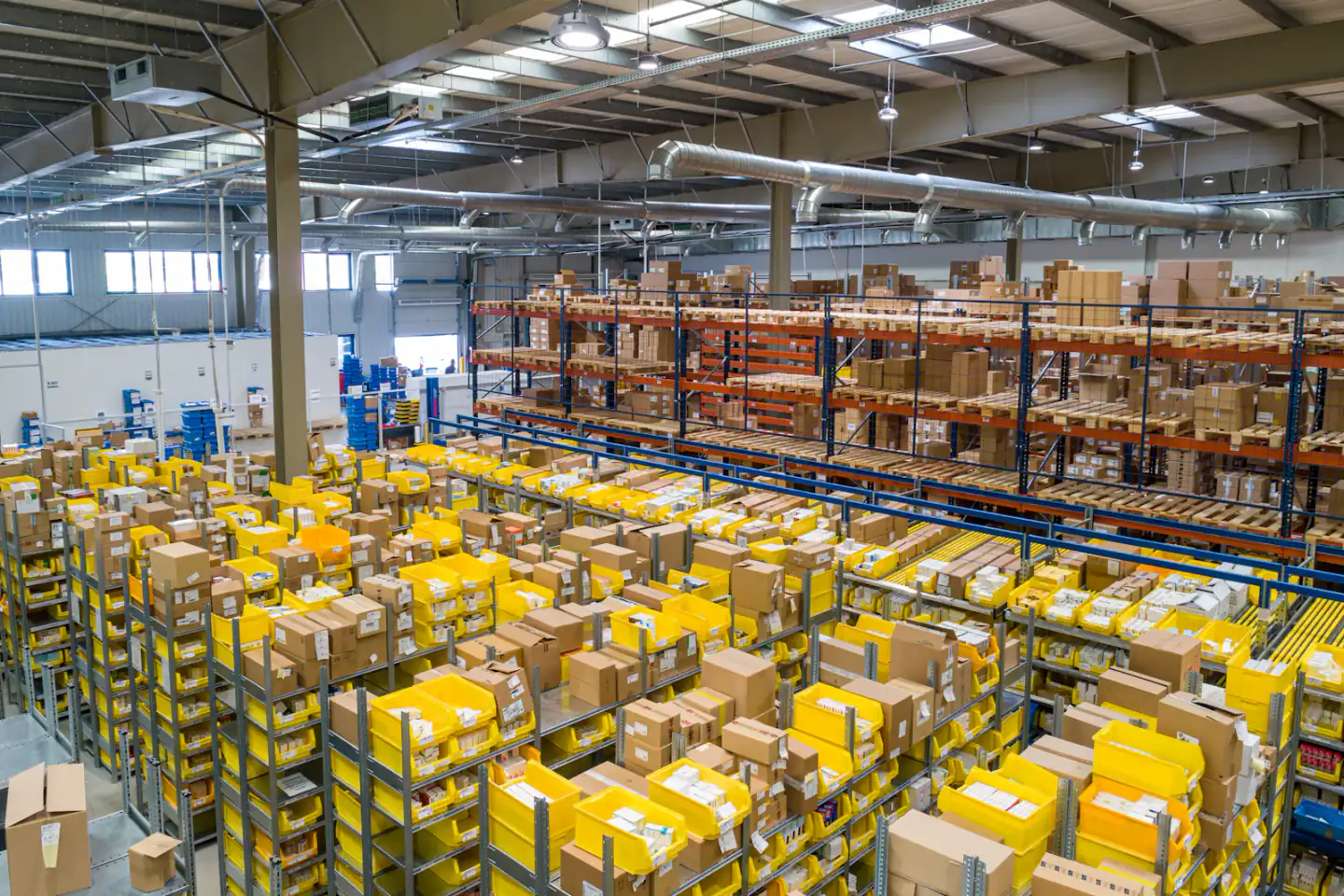
Operational software is used in loading bays, cabs, and control rooms, not quiet offices. We design for gloves, glare, and patchy signal, and we engineer integrations that reconcile data from carriers, scanners, and partners into one dependable picture. AI can sharpen demand forecasts, estimate arrival times, and read shipping documents, provided the underlying data is understood first.
Shipments pass through WMS, TMS, ERP, carrier portals, and customer systems, often connected by EDI, CSV files, or manual entry. Getting a consistent status across them is a core engineering problem.
Drivers and warehouse staff work with intermittent connectivity, rugged devices, and little time to look at a screen. Apps must work offline and sync without losing scans or proofs of delivery.
Location pings drop, scans are missed, and events arrive out of order. Forecasting and ETA models are only as good as the cleaning and validation behind them.
New tools must be adopted by large, rotating teams across multiple locations. Training time is limited, so workflows need to be obvious and forgiving.
Offline-first mobile apps for picking, scanning, route steps, and proof of delivery, designed for one-handed use and quick confirmations.
Mobile appsBackend services that ingest carrier APIs, EDI, and device events, normalize them, and expose a single shipment timeline to other systems.
Backend & cloudDemand, volume, and arrival-time models built on your historical data, with evaluation that shows where they are reliable and where planners should be cautious.
Machine learningAI extraction from bills of lading, invoices, and customs paperwork into structured data, with exceptions routed to an operator for review.
AI developmentRegulatory and compliance obligations depend on your business and jurisdiction. We plan for them with your legal and compliance advisors rather than treating them as an afterthought.
APIs, databases, integrations, and cloud infrastructure your product can rely on.
ExplorePredictive models, recommendations, and forecasts built on sound data and evaluation.
ExploreiOS, Android, and cross-platform apps designed around real mobile use.
ExploreIn most cases. We review the available APIs, database access, or file-based interfaces and design around them. When a system offers limited access, a middleware layer can collect and normalize its data without replacing it.
It depends on seasonality, volume, and how stable your operations are. We start by assessing the data you have, its gaps, and its consistency. Sometimes a simpler statistical baseline is the right first step before a more complex model.
Field apps can be designed offline-first, storing scans, photos, and signatures locally and syncing when a connection returns. We define how conflicts are resolved and what the user sees during that time as part of the design.

Payments, banking, and wealth products where clarity and trust carry as much weight as the code.

Patient apps, clinician tools, and health AI built around privacy, accessibility, and clinical judgment.

Storefronts, shopping apps, and retail AI that make finding and buying feel effortless.