
UI/UX & product design.
Make the complex feel considered. We design user flows, interfaces, and design systems that connect what your users need to do with what your business is trying to achieve.
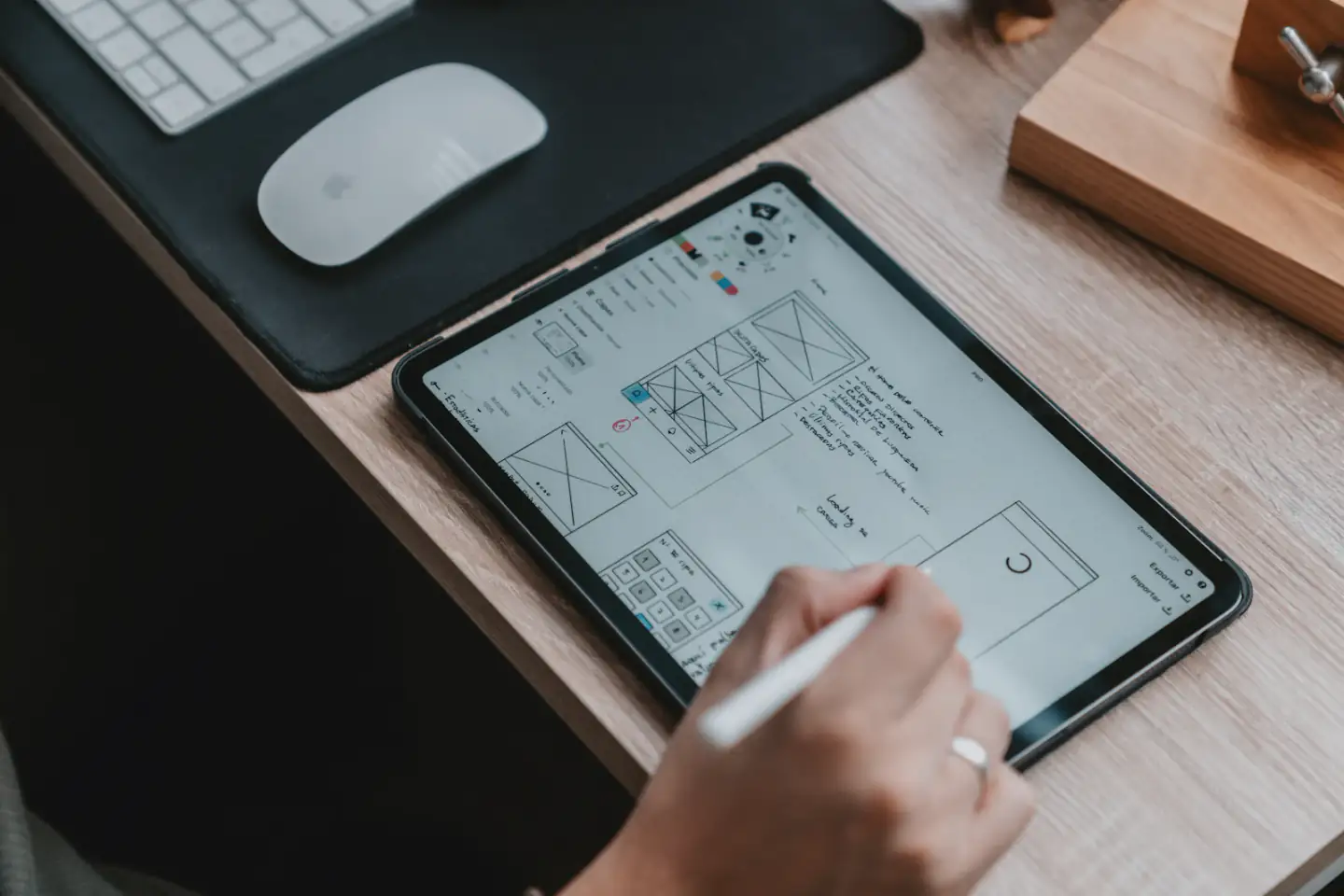
Design that respects the user’s time.
Great product design is more than how a screen looks. It is the structure behind it: what people see first, how they move between tasks, and what happens when something goes wrong. We research the problem, map flows, test ideas as prototypes, and refine interfaces with every state considered. Designers review technical constraints with engineers along the way, so what is designed can be built as intended.
User research
Interviews, usability testing, and review of existing data to understand how people actually use the product.
Information architecture
Navigation, content structure, and user flows that make the product easier to understand and move through.
Wireframes & prototypes
Low- and high-fidelity prototypes to test ideas before engineering effort is committed.
Interface design
Detailed web and mobile screens with clear hierarchy, thoughtful interactions, and considered states.
Design systems
Reusable components, documented patterns, and practical guidance to keep a growing product consistent.
Accessibility
Color contrast, keyboard navigation, readable typography, and inclusive patterns built in from the start.
Clear deliverables.
Shared direction.
Every project is scoped around your needs. These are typical outputs we define together at the start.
Explore our process- Research findings and a clear experience direction
- User flows and information architecture
- Interactive prototypes
- Production-ready interface designs with states
- A design system or component library in Figma
- Products whose users struggle to complete key tasks
- Teams that want to validate a product idea before building it
- Growing products that need a consistent design system
- Engineering teams without in-house product design support
- Figma
- FigJam
- Figma Dev Mode
- Framer
- Maze
- Storybook
- Tokens Studio
- Miro
- Lottie
- Adobe Illustrator
Your questions, answered.
Can we start with design before development?
Absolutely. A design engagement can help validate the direction and define the product before engineering begins. We agree on the deliverables and handover needs at the start.
Do you conduct user research?
Yes, when the project allows. Research can range from a handful of interviews or usability sessions to reviewing analytics and support feedback, scaled to the questions that need answering.
How do designers work with engineers?
Design and technical decisions are reviewed together. Implementation constraints, responsive behavior, and interface states are considered before the final handover.
Can you redesign part of an existing product?
Yes. Focusing on one flow or area is often a practical way to start, and the work can introduce design system foundations the rest of the product can adopt over time.
From our insights.
How to Add AI to an Existing Product Without Breaking It
Most AI features fail because they start with a model instead of a user problem. Here is a step-by-step way to add AI to a product people already rely on.
Native vs Cross-Platform App Development: How to Choose
The right mobile stack depends on what your app does, who builds it, and how it will evolve. A clear comparison of native, React Native, Flutter, and shared-logic options.
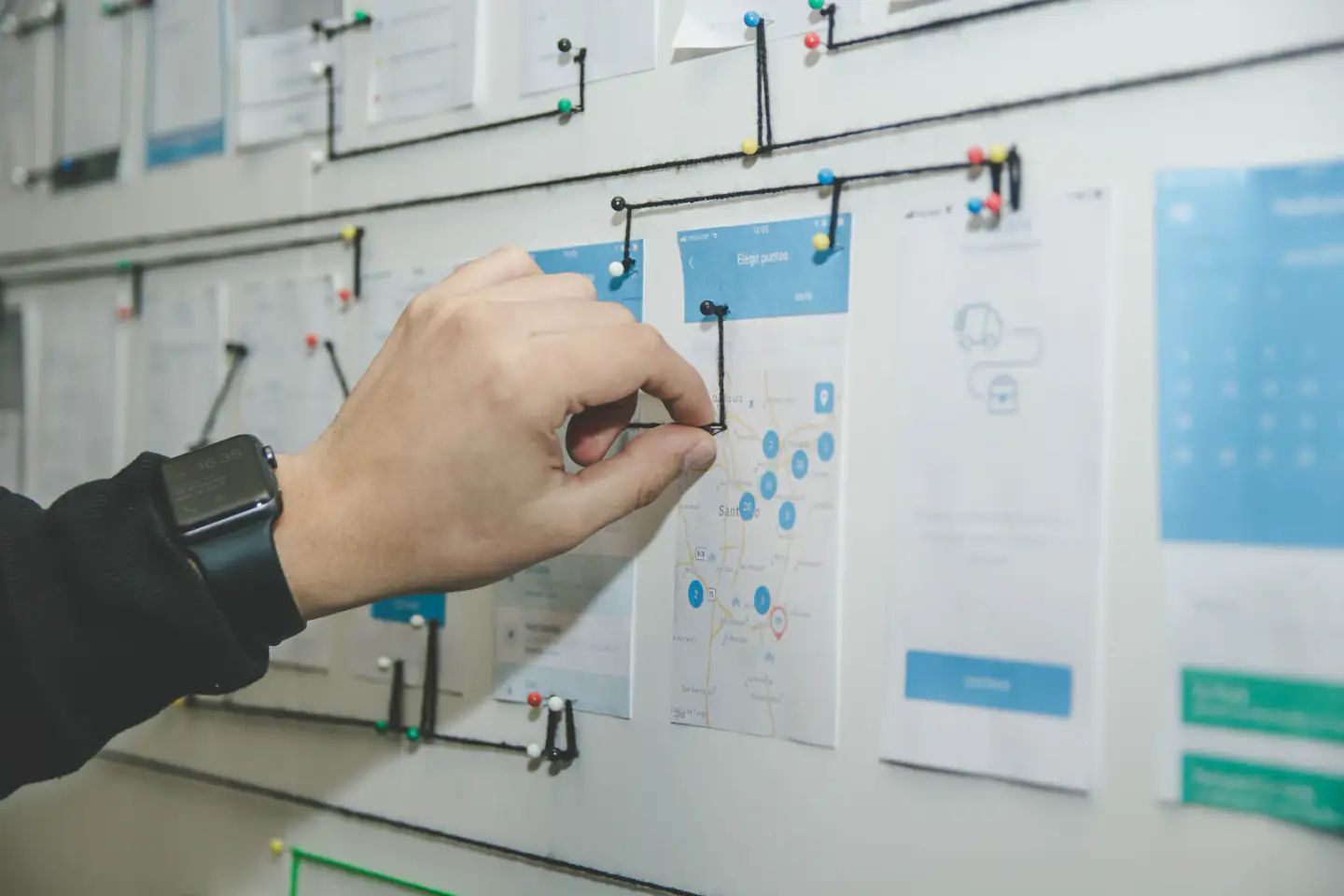
What to Include in an MVP (and What to Leave Out)
An MVP is the smallest product that can test your riskiest assumption with real users. Here is how to decide what makes the cut.
Often paired with.
Brand identity
A distinctive identity and visual language that works across every touchpoint.
ExploreWeb development
Brand websites and web applications, designed and engineered together.
ExploreMobile apps
iOS, Android, and cross-platform apps designed around real mobile use.
Explore