
Mobile app development.
Products that belong in your hand. We design and build mobile experiences with clear interactions, thoughtful performance, and the systems they need behind the screen.
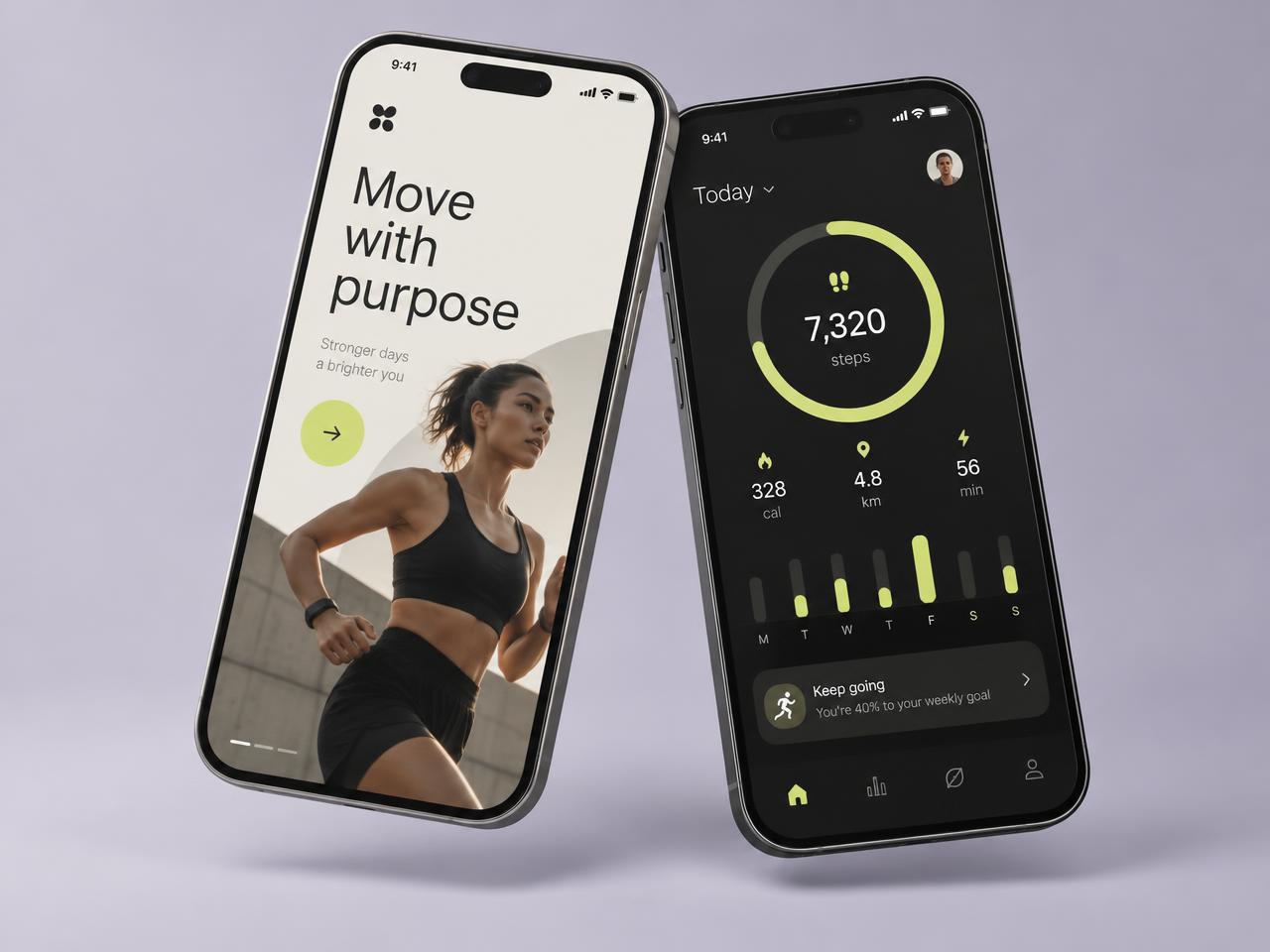
More than a smaller screen.
Mobile products have their own rhythms: quick sessions, changing connections, device permissions, and touch-first interactions. We plan the experience around those realities, not as a compressed version of a website. Mobile developers, backend engineers, and designers work together on the app and the services behind it, choosing a native or cross-platform approach based on what the product actually requires.
Mobile product design
User flows, onboarding, navigation, and interfaces shaped around real mobile tasks and platform conventions.
Native iOS & Android
Swift and Kotlin development when the product depends on platform-specific capabilities or performance.
Cross-platform apps
React Native or Flutter when one shared codebase suits the product, team, and roadmap.
Connected experiences
Backend services, authentication, offline behavior, integrations, and notifications where the agreed scope needs them.
Release readiness
Device testing, key interaction reviews, and preparation for App Store and Google Play submission.
Clear deliverables.
Shared direction.
Every project is scoped around your needs. These are typical outputs we define together at the start.
Explore our process- Product flows and a mobile prototype
- An agreed platform and architecture approach
- The app and scoped backend integrations
- Device testing across agreed targets
- App store submission materials and handover
- Companies launching a new consumer or business app
- Products extending an existing web platform to mobile
- Teams deciding between native and cross-platform development
- Apps that need a redesign or a more maintainable codebase
- Swift
- SwiftUI
- Kotlin
- Jetpack Compose
- React Native
- Expo
- Flutter
- TypeScript
- Firebase
- Supabase
- Fastlane
- TestFlight
Your questions, answered.
Should we choose native or cross-platform?
It depends on device capabilities, product complexity, team needs, and the budget. We compare the options during discovery rather than assuming one approach suits every app.
Can you connect the app to an existing backend?
Yes, subject to the available APIs and access requirements. We assess the integration before defining the development scope.
Does development guarantee app store approval?
No. Apple and Google make their own review decisions. Release planning includes preparing the app and materials for submission, but approval remains with the stores.
Is Stride a client app?
No. Stride is an independent mobile product concept used to explore interaction and visual ideas. It is labeled as a concept wherever it appears.
From our insights.

Native vs Cross-Platform App Development: How to Choose
The right mobile stack depends on what your app does, who builds it, and how it will evolve. A clear comparison of native, React Native, Flutter, and shared-logic options.
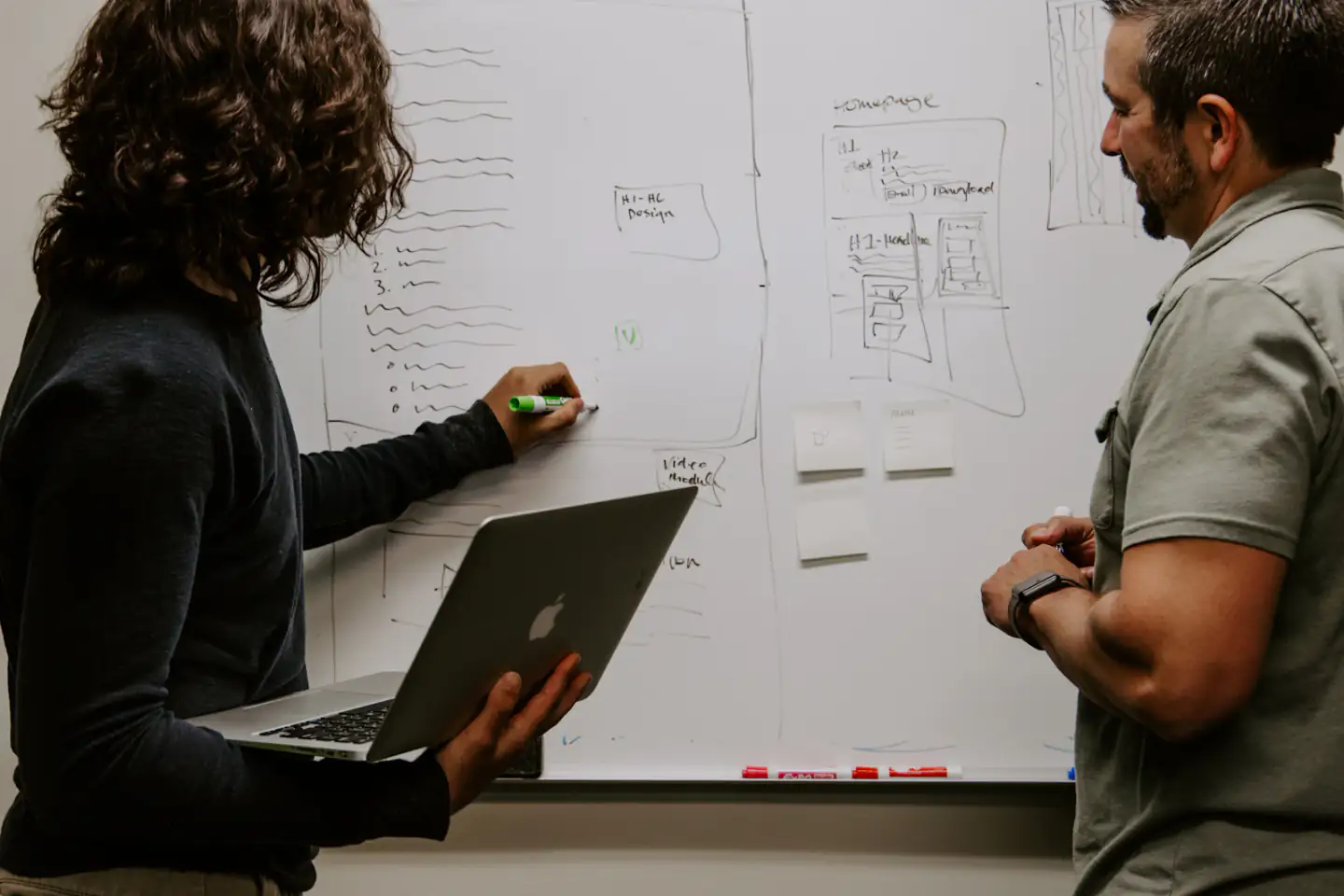
How to Write a Software Project Brief (With Template)
A clear brief gets you better proposals and a faster start. Here is what to include, what to leave open, and a template you can copy.
Often paired with.
UI/UX design
Research, flows, prototypes, and interfaces that make complex products feel clear.
ExploreBackend & cloud
APIs, databases, integrations, and cloud infrastructure your product can rely on.
ExploreMVP development
From idea to a focused first version, with discovery, prototyping, and iteration.
Explore