
Generative AI & LLM integration.
Language models are powerful, and they are also unpredictable. We integrate generative AI into products with the retrieval, structure, safeguards, and evaluation it needs to be dependable in everyday use.

Beyond the demo.
A prompt that works in a demo can behave differently with real users, real documents, and edge cases. We treat LLM features as engineered systems: grounding answers in your content, constraining outputs to formats your application can use, giving agents carefully scoped tools, and measuring quality against test cases before and after release. Where an error would matter, the design includes human review rather than hoping the model gets it right.
LLM-powered features
Summarization, drafting, extraction, classification, and conversational interfaces integrated into your existing product.
RAG & knowledge assistants
Retrieval over your documents and data, with chunking, search, source citations, and permission-aware access designed together.
Agents & tool use
Models that call your APIs and tools within defined boundaries, with confirmation steps for actions that have consequences.
Structured outputs
Schemas and validation that turn model responses into reliable data your application logic can safely consume.
Guardrails & safety
Input and output checks, prompt-injection awareness, content policies, and fallbacks when the model cannot help.
Evaluation
Test sets, automated and human review, and regression checks so prompt or model changes can be compared, not guessed.
Clear deliverables.
Shared direction.
Every project is scoped around your needs. These are typical outputs we define together at the start.
Explore our process- A scoped LLM use case with quality criteria
- Retrieval and prompt architecture documentation
- An integrated generative AI feature, assistant, or agent
- An evaluation suite and baseline results for the agreed tasks
- Guardrail, logging, and cost-monitoring setup
- Teams adding an AI assistant to an existing SaaS product
- Organizations that want question-answering over internal documentation
- Products that need to extract structured data from unstructured text
- Teams whose LLM prototype needs to become production-ready
- OpenAI API
- Anthropic API
- Google Gemini API
- LangChain
- LlamaIndex
- Vercel AI SDK
- Model Context Protocol
- pgvector
- Pinecone
- Qdrant
- Python
- TypeScript
- Pydantic
- Langfuse
Your questions, answered.
What is retrieval-augmented generation (RAG)?
RAG retrieves relevant passages from your own content and gives them to the model alongside the question, so answers can be grounded in your material and cite sources. It reduces, but does not eliminate, incorrect answers.
Will our data be used to train the model?
That depends on the provider and the plan you use. We review the data handling terms of each candidate provider, and can consider options such as enterprise agreements or self-hosted open models when privacy requirements call for it.
Can generative AI outputs be guaranteed to be correct?
No. Language models can produce confident mistakes. Evaluation, grounding, clear user expectations, and human review where errors matter are how a responsible product manages that risk.
How do you control the cost of model usage?
Model choice, prompt length, caching, and routing simple requests to smaller models all affect cost. We estimate usage during design and add monitoring so spending stays visible after launch.
From our insights.

How to Add AI to an Existing Product Without Breaking It
Most AI features fail because they start with a model instead of a user problem. Here is a step-by-step way to add AI to a product people already rely on.

RAG vs Fine-Tuning vs Prompting: Which Does Your LLM App Need?
Retrieval gives a model knowledge, fine-tuning shapes its behavior, and prompting is where you should almost always start. Here is how to choose.
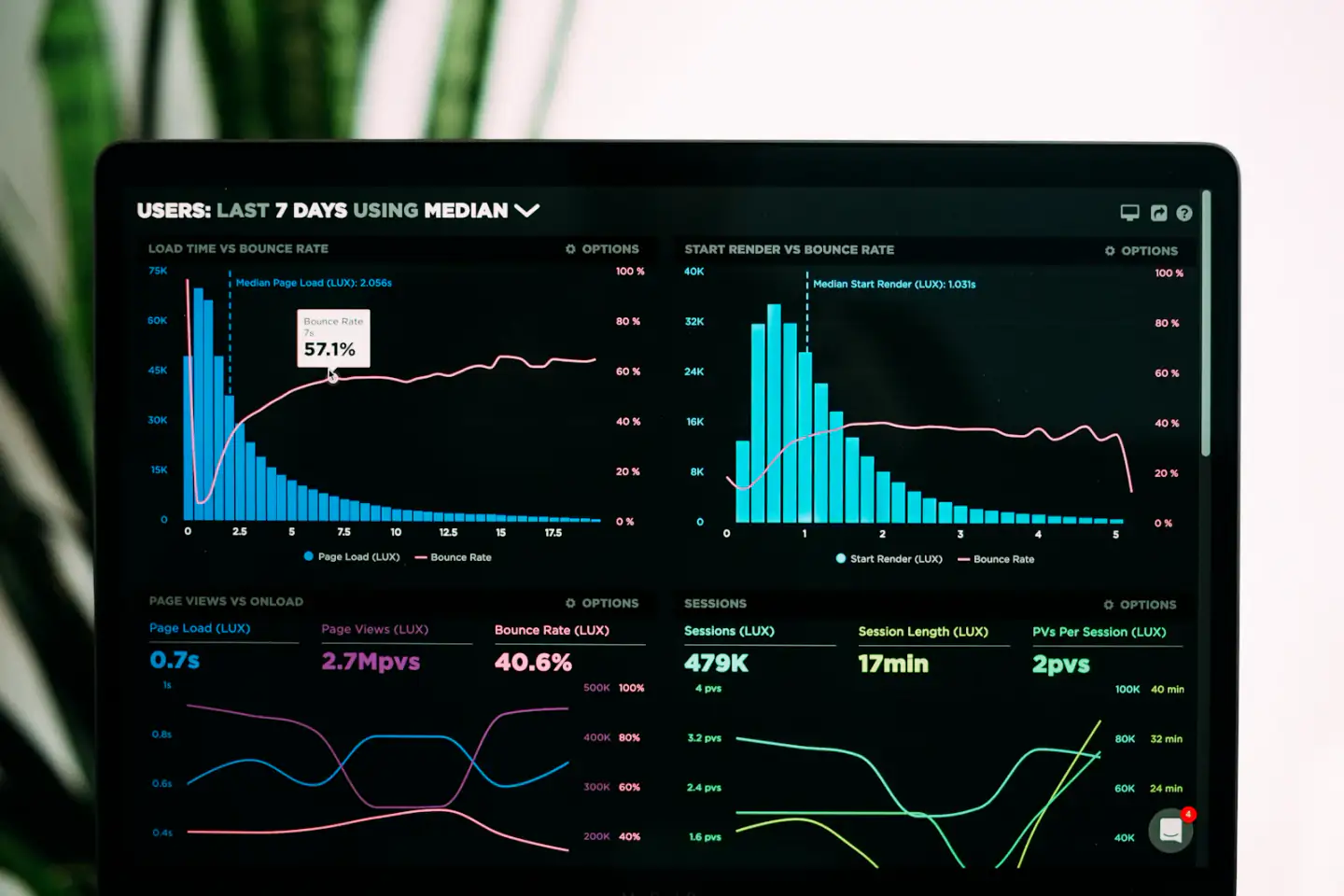
How to Evaluate LLM Features Before and After Launch
LLM features need their own testing discipline. A practical framework for eval sets, metrics, human review, and regression checks that hold up in production.
Often paired with.
AI development
Turn a real business problem into a usable AI-powered product or feature.
ExploreMachine learning
Predictive models, recommendations, and forecasts built on sound data and evaluation.
ExploreBackend & cloud
APIs, databases, integrations, and cloud infrastructure your product can rely on.
Explore