
MVP & product development.
A first version should answer your most important questions, not every feature request. We help startups and new ventures move from idea to a focused MVP through discovery, prototyping, building, and learning.
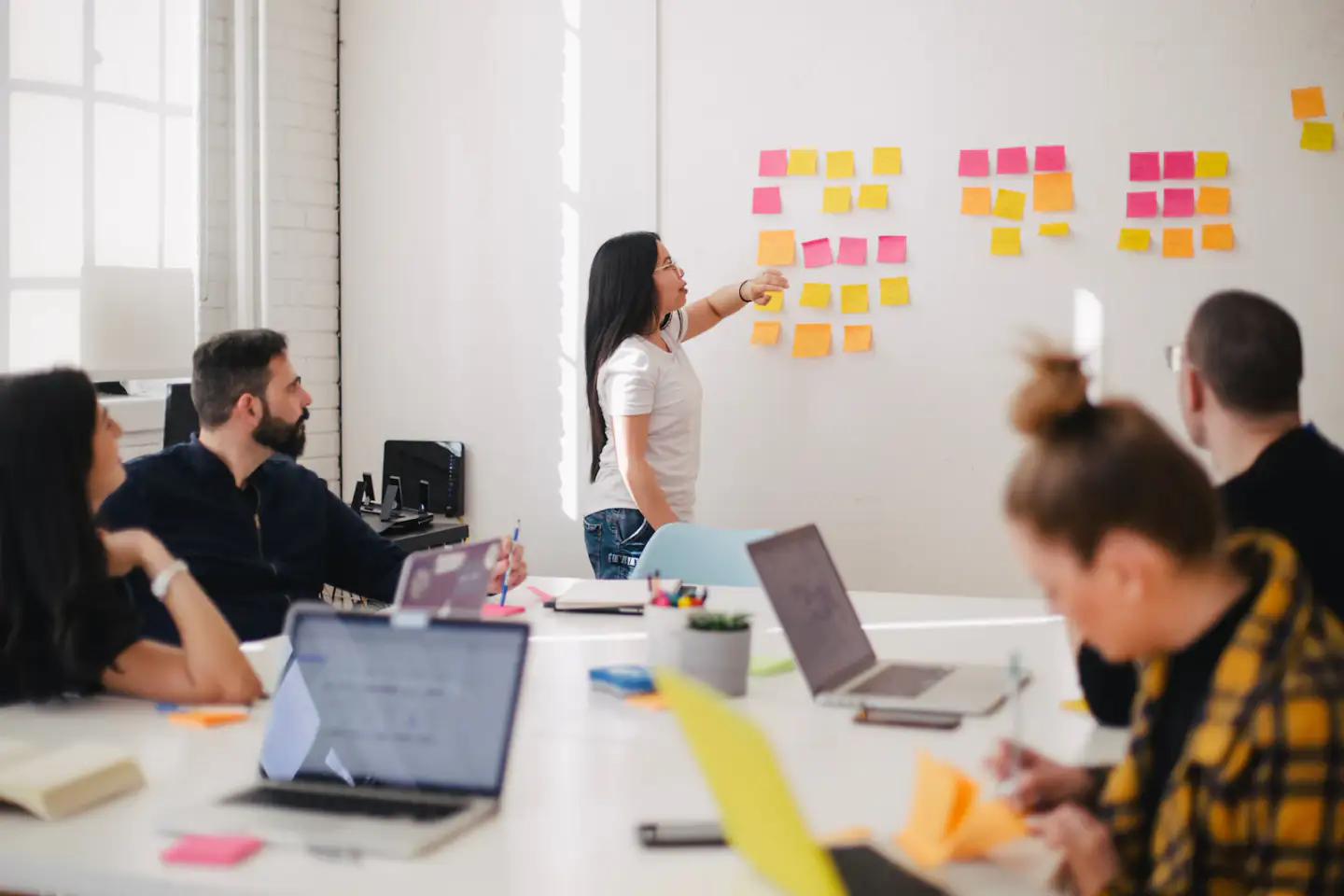
Build less, learn sooner.
The riskiest part of a new product is usually not the code; it is the assumptions. We start by identifying them, then decide what the smallest useful version needs to prove. Prototypes test ideas cheaply, and the MVP is built with the same design and engineering care as a larger product, on a foundation that can grow. After launch, we look at what users actually do and help prioritize what comes next.
Product discovery
Clarify the problem, the audience, key assumptions, and what the first version must prove.
Scope & prioritization
Separate what the MVP needs from what can wait, with trade-offs made visible rather than hidden.
Clickable prototypes
Realistic prototypes to test with potential users or share with stakeholders before building.
MVP build
Web, mobile, or AI-powered products designed and engineered on a maintainable, extendable foundation.
Analytics & feedback
Instrumentation and feedback channels so decisions after launch are based on evidence.
Iteration
Follow-on cycles that refine, extend, or change direction based on what early users show you.
Clear deliverables.
Shared direction.
Every project is scoped around your needs. These are typical outputs we define together at the start.
Explore our process- A product brief with assumptions and success measures
- A prioritized MVP scope
- An interactive prototype
- A working MVP as scoped
- Analytics setup and an iteration plan
- Founders turning an idea into a first product
- Established companies testing a new venture or product line
- Startups that need design and engineering without building a full team yet
- Teams whose prototype needs to become a real, usable product
- Figma
- TypeScript
- React
- Next.js
- React Native
- Node.js
- Supabase
- PostgreSQL
- Stripe
- PostHog
- Vercel
- OpenAI API
- Anthropic API
Your questions, answered.
What should an MVP include?
Enough to deliver real value to a defined group of users and test your most important assumptions. Discovery helps decide what that is, and what can wait for later versions.
Will an MVP need to be rebuilt later?
Not necessarily. We choose well-supported technologies and keep the architecture simple but sound, so the product can be extended. Some parts may be revisited as you learn what users need.
Can you help if we only have an idea?
Yes. Discovery is designed for that stage: clarifying the problem, the audience, and what to test first, before committing to a full build.
Do you continue working after the MVP launches?
Follow-on iteration can be discussed as part of the engagement. Ongoing development, maintenance, and support need their own agreed scope.
From our insights.
Native vs Cross-Platform App Development: How to Choose
The right mobile stack depends on what your app does, who builds it, and how it will evolve. A clear comparison of native, React Native, Flutter, and shared-logic options.
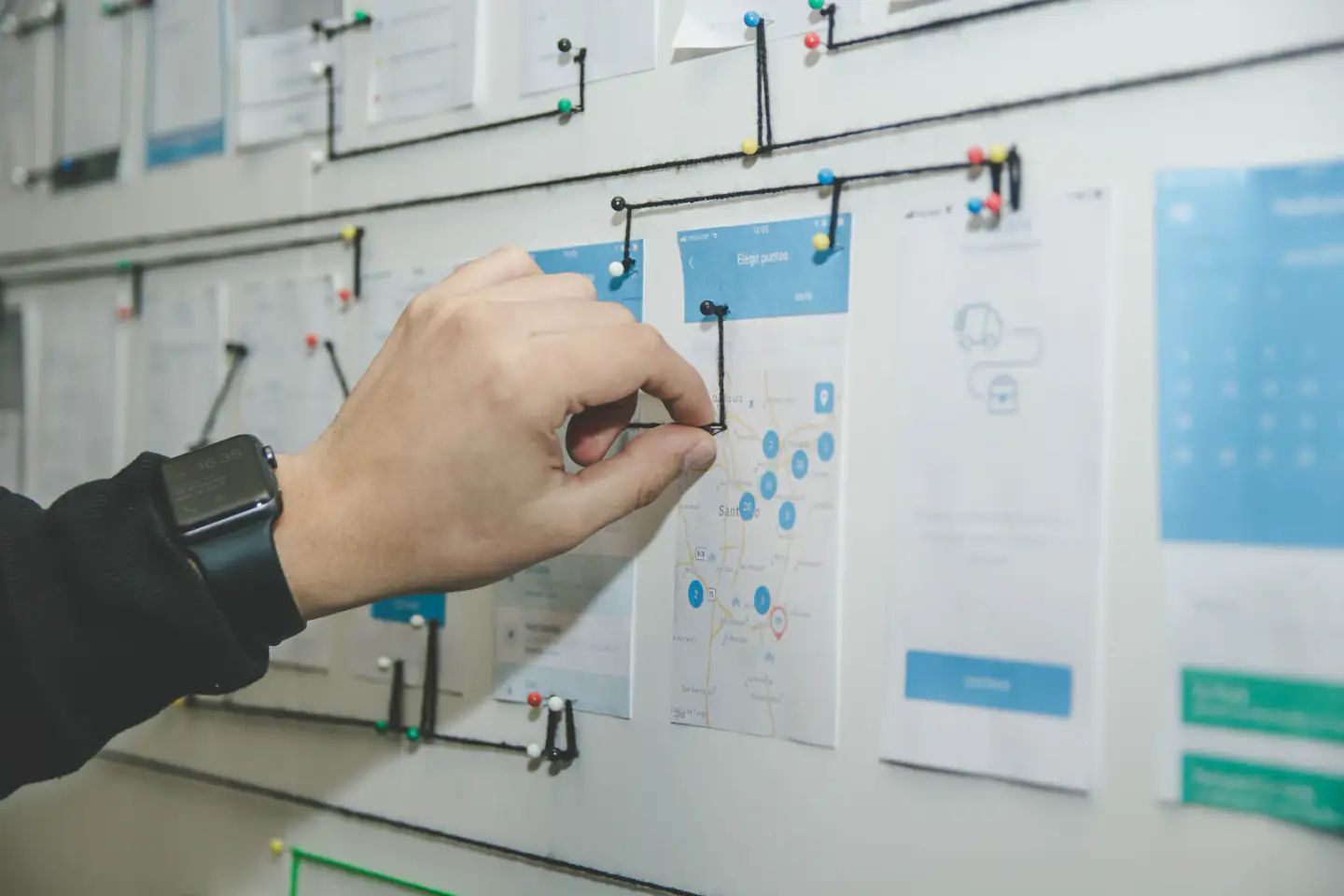
What to Include in an MVP (and What to Leave Out)
An MVP is the smallest product that can test your riskiest assumption with real users. Here is how to decide what makes the cut.
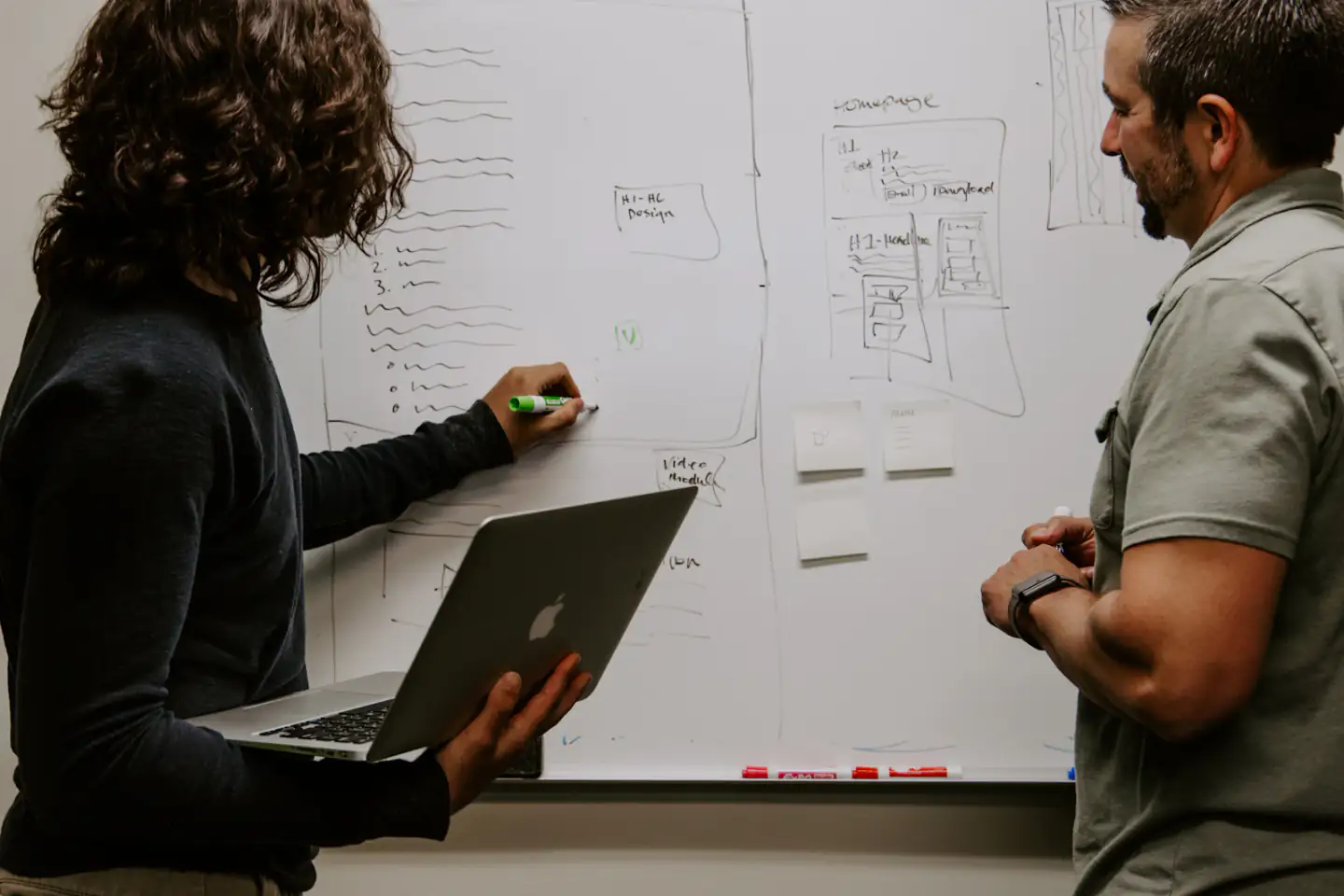
How to Write a Software Project Brief (With Template)
A clear brief gets you better proposals and a faster start. Here is what to include, what to leave open, and a template you can copy.
Often paired with.
UI/UX design
Research, flows, prototypes, and interfaces that make complex products feel clear.
ExploreWeb development
Brand websites and web applications, designed and engineered together.
ExploreAI development
Turn a real business problem into a usable AI-powered product or feature.
Explore