
Backend & cloud engineering.
Every product depends on the systems people never see. We design and build the APIs, data models, integrations, and cloud infrastructure that keep applications secure, observable, and ready to grow.
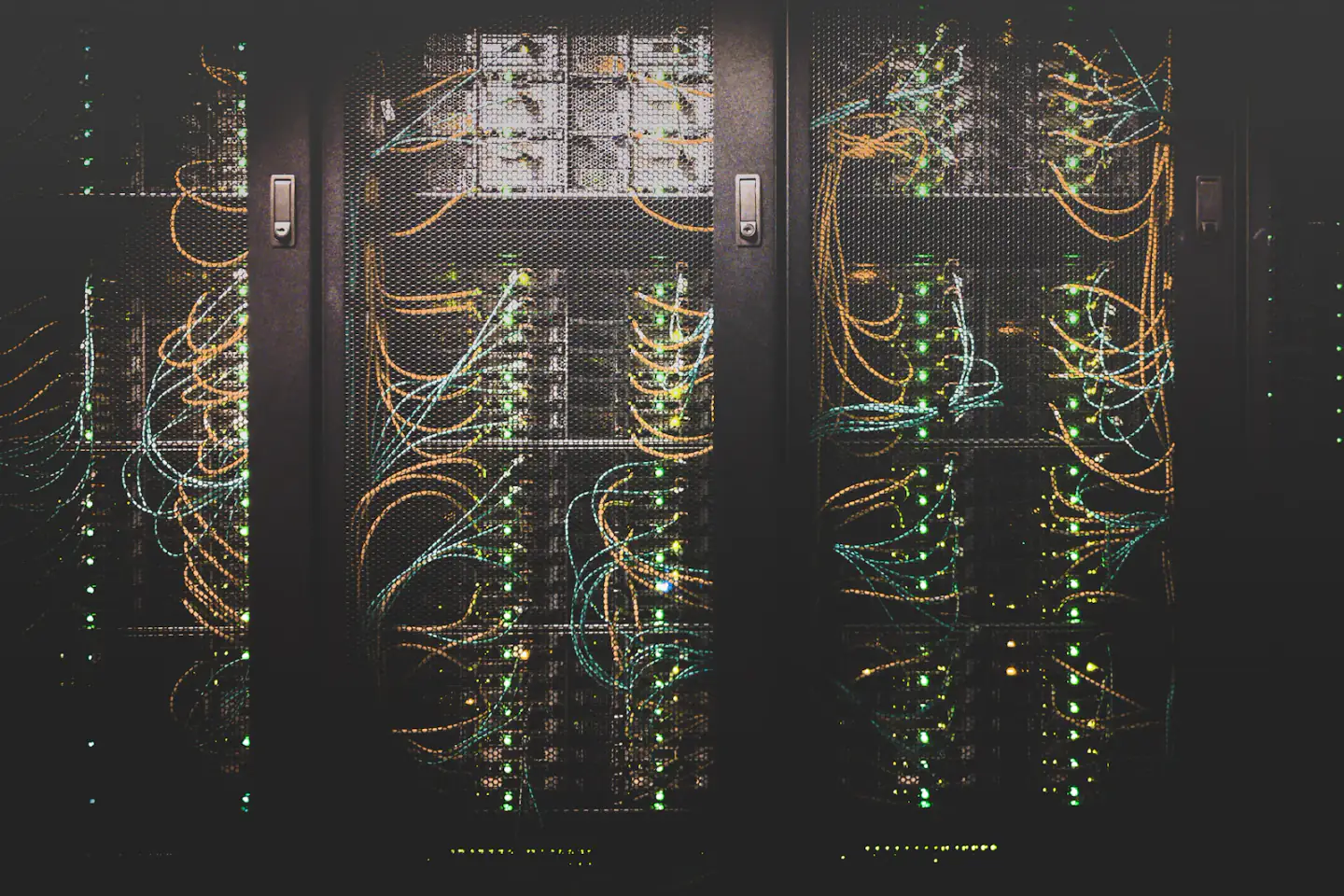
Solid foundations, clearly documented.
Backend decisions are hard to reverse, so we make them deliberately. We model data around how your business actually works, design APIs that are consistent and versioned, and choose infrastructure that fits your current scale with a realistic path to more. Infrastructure is defined as code, deployments are automated, and logging and monitoring are part of the build, so your team can understand, operate, and extend the system after handover.
API design & development
REST and GraphQL APIs with clear contracts, authentication, validation, and documentation.
Databases & data modeling
Relational and document data models, migrations, indexing, and query performance tuned to real access patterns.
Integrations
Connections to payment providers, CRMs, ERPs, identity services, and other third-party APIs, with sensible error handling.
Cloud infrastructure
AWS or Google Cloud environments defined as code, with networking, secrets, and access managed deliberately.
DevOps & CI/CD
Automated testing, builds, and deployments, with staging environments and straightforward rollbacks.
Scalability & observability
Caching, queues, and background jobs where they help, plus logging, metrics, and alerting to see how the system behaves.
Clear deliverables.
Shared direction.
Every project is scoped around your needs. These are typical outputs we define together at the start.
Explore our process- An architecture and data model proposal
- Documented APIs and integration implementations
- Infrastructure as code for agreed environments
- CI/CD pipelines and deployment documentation
- Monitoring setup and an operational handover
- Products that need a new backend or API behind a web or mobile app
- Teams connecting several third-party systems into one workflow
- Companies moving infrastructure to the cloud or onto infrastructure as code
- Applications that have outgrown their original architecture
- Node.js
- TypeScript
- Python
- Go
- PostgreSQL
- Redis
- GraphQL
- AWS
- Google Cloud
- Docker
- Kubernetes
- Terraform
- GitHub Actions
- OpenTelemetry
Your questions, answered.
Do you work with AWS, Google Cloud, or both?
Both. The choice depends on your existing accounts, team experience, compliance needs, and the managed services the product would benefit from. We can also work within infrastructure you already run.
Can you improve an existing backend rather than rebuild it?
Often, yes. An assessment of the current code, data, and infrastructure shows whether targeted improvements, gradual replacement, or a rebuild makes the most sense.
How do you approach security?
Security is considered throughout: authentication and authorization design, secrets management, least-privilege access, dependency updates, and input validation. Formal audits or compliance certifications require specialist providers.
Will our team be able to maintain the system?
That is a goal from the start. We favor well-supported technologies, document architecture and operations, and can walk your engineers through the system during handover.
From our insights.

RAG vs Fine-Tuning vs Prompting: Which Does Your LLM App Need?
Retrieval gives a model knowledge, fine-tuning shapes its behavior, and prompting is where you should almost always start. Here is how to choose.

Core Web Vitals Checklist: Fix LCP, INP, and CLS
A no-nonsense checklist for improving Largest Contentful Paint, Interaction to Next Paint, and Cumulative Layout Shift on real sites and apps.
Often paired with.
Web development
Brand websites and web applications, designed and engineered together.
ExploreMobile apps
iOS, Android, and cross-platform apps designed around real mobile use.
ExploreGenerative AI
LLM features, knowledge assistants, and agents designed with evaluation and guardrails.
Explore